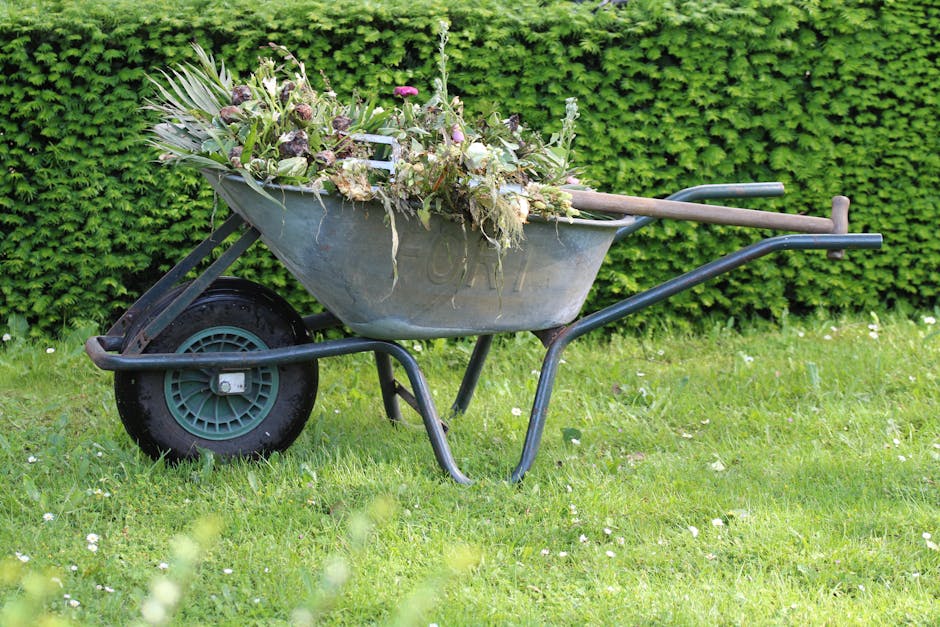
Before and after garden clearance by gardeners in West Acton
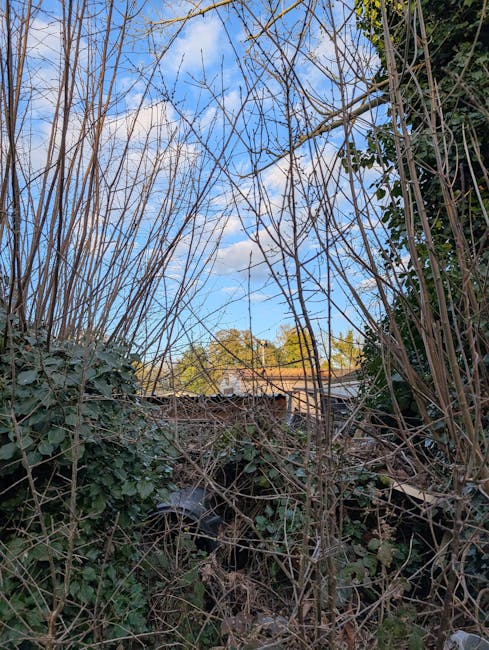
If you've ever looked at a tired, overgrown garden and thought, "Right, where do we even start?", you're in the right place. Before and after garden clearance by gardeners in West Acton is really about transformation, but not just the dramatic photo at the end. It's about understanding what gets removed, what gets saved, how the space changes, and what a proper clearance should feel like when it's done well. In a local area like West Acton, where gardens can range from compact town plots to longer rear spaces with mixed borders, sheds, old growth and a fair bit of hidden mess, the process needs a steady hand. This guide walks through the practical side of it, the visual changes you can expect, and the decisions that make the difference between a quick tidy-up and a genuinely useful clearance.
We'll cover how garden clearance works, who it suits, what to watch out for, and how to judge whether the "after" is actually an improvement rather than just a bare patch of ground. To be fair, that distinction matters more than people sometimes admit.
Why Before and after garden clearance by gardeners in West Acton Matters
The before-and-after stage is more than a visual reveal. It tells you whether the work was planned properly, whether the right waste was removed, and whether the garden is now safer, easier to maintain, and ready for whatever comes next. In West Acton, that can mean anything from reclaiming a family garden that has been left to run wild through winter, to clearing a rental property between tenancies, to opening up a space so it can be used again without tripping over brambles, pots, broken fencing and damp old leaves.
A proper clearance gives you a reset. Not a miracle, not magic. Just a clean starting point. You can finally see the boundaries again, the soil surface, the lawn, the path edges, and the bits that have been hidden under growth for months. That clarity makes the next decision easier, whether that's ongoing garden maintenance, regular lawn mowing, or a bigger landscaping project.
There's also a practical trust factor here. When gardeners clear a site well, they leave it orderly, not just empty. Debris should be removed responsibly, access should be left tidy, and the customer should be able to walk through the garden without that uneasy feeling that half the job is still buried under the hedge somewhere. Let's face it, people notice the details.
Expert summary: a good garden clearance should leave you with a safer, more usable, easier-to-manage space, not just a pile of green waste taken away. The "after" should look calm, open, and ready for the next step.
How Before and after garden clearance by gardeners in West Acton Works
Garden clearance usually starts with an assessment. That sounds obvious, but it matters because not every overgrown garden needs the same approach. Some need light cutting back, hedge shaping and waste removal. Others need a much more involved clearance involving bramble cutting, scrub reduction, ivy control, fallen branch removal, and a careful check for hidden hazards.
A professional team will usually look at the size of the space, the type of vegetation, access for carrying waste out, and whether there are structures that need to be protected. If there's an old shed, decking, or a tight side passage, those things shape the job. In some cases, related services such as hedge trimming, tree lopping and removal, or even decking services may come into play too.
The before photos typically show the problem clearly: dense growth, cluttered borders, blocked pathways, or a lawn that's been buried by weeds and self-seeded growth. The after photos, if the work has been done properly, should show shape and structure. You should be able to tell where beds start and end. You should see light again. You may even smell that clean, earthy scent that comes after chopped vegetation is lifted and the air suddenly feels less boxed in. Small thing, maybe. But it changes the mood of the whole garden.
For larger jobs, gardeners may work in stages. First comes the initial cut-back and clearance. Then comes the sorting of waste into manageable piles. After that, they may do finer detail work: edging, pruning, strimming, path clearing, and a final sweep-through. The best results are rarely accidental. They're planned.
Key Benefits and Practical Advantages
The most obvious benefit is space. A cluttered garden can feel smaller than it really is, and clearing it properly can make a modest West Acton plot feel almost twice as usable. But the advantages go beyond that first impression.
- Safer access: removing trip hazards, loose branches, and hidden debris makes the garden easier to walk through.
- Better drainage and airflow: heavy overgrowth can trap moisture and create damp pockets.
- Healthier planting areas: once weeds and dead material are removed, soil can be assessed and improved.
- Easier ongoing care: a cleared space is much simpler to maintain with routine visits.
- Improved kerb appeal: for selling, letting, or just feeling proud of the place, the visual difference is huge.
- More accurate planning: you can't meaningfully redesign a garden until you can actually see it.
There's also the mental side. A messy garden can quietly nag at you every time you open the back door. Once it's cleared, the pressure lifts a bit. You might not say it out loud, but you notice it. The space feels less like a problem and more like an opportunity.
And if you're comparing options, the garden aftercare stage matters just as much as the clearance itself. A one-off clear-out is useful, sure, but it becomes far more effective when paired with longer-term care through services overview planning or a maintenance schedule that stops the garden slipping back into chaos a month later.
Who This Is For and When It Makes Sense
This kind of work is for more people than you might think. Not every customer wants a landscaped showpiece. Sometimes the goal is simply to get the garden back under control.
Garden clearance makes particular sense for:
- homeowners with overgrown gardens after a long gap in upkeep
- landlords preparing a property for new tenants
- people recovering from illness, time pressure, or a temporary inability to keep up with outdoor work
- families planning to use the garden more often in spring and summer
- buyers or sellers who need the outdoor space presentable quickly
- properties where hedges, trees, or shrubs have outgrown their boundaries
It's also sensible if you've inherited a garden or taken on a place that has been neglected for a while. In those cases, the "before" can feel a bit daunting. Truth be told, that's exactly when a structured clearance helps most, because it turns a messy emotional problem into a practical job with a beginning, middle, and end.
If you're unsure whether the space needs a full clearance or a lighter seasonal tidy, think in terms of access and risk. Can you walk through it comfortably? Can you see the edges? Are there dead or unsafe branches? If the answer is mostly no, a more thorough clearance is probably the better call.
Step-by-Step Guidance
Here's a sensible way to think about the process, especially if you want the before-and-after result to be genuinely worthwhile rather than rushed.
- Walk the garden first. Look at the space from the house, then from the far end if you can. Notice where the problems cluster.
- Identify what stays and what goes. Not everything needs removing. Good gardeners will protect established plants, boundary shrubs, and anything you want to keep for structure.
- Clear access routes. Paths, side return passages, and gate access should be planned so waste can be moved out without damage.
- Cut back the worst growth first. This usually means brambles, tall weeds, self-seeded saplings, or overgrown hedge lines.
- Remove waste as you go. A tidy site is easier to work on and safer to move around in. Bags and piles left everywhere just get in the way.
- Refine the shape. Once the heavy material is gone, finer work makes the difference: edging, pruning, levelling and light raking.
- Check the finish. The best time to review is when the whole garden is visible. Look for missed debris, uneven cuts, or hidden snag points.
That last step is often rushed, which is a shame. A five-minute finish inspection can save a lot of frustration later. You'd be surprised how often a tiny branch, old tie, or broken pot shard gets left behind in a garden that otherwise looks transformed.
For many jobs, it also helps to combine clearance with garden clearance as the main service and then follow up with a maintenance plan. That gives you a cleaner handover between the dramatic before-and-after phase and the quieter, sensible upkeep phase that follows.
Expert Tips for Better Results
One of the biggest differences between a decent clearance and a really good one is restraint. Oddly enough, the best gardeners do not simply remove everything in sight. They know what gives the garden shape, and they leave it where it helps.
A few practical tips make a real difference:
- Keep some structure. Beds, borders, and boundary planting can help a garden feel intentional after clearance.
- Don't scalp everything. If a lawn is damaged but salvageable, it may need cutting back, edging and recovery rather than total removal.
- Watch for hidden utilities. Old cable runs, drains, inspection covers, and buried fixtures can be concealed under growth.
- Work in daylight where possible. A late afternoon finish is fine, but darker corners make it easier to miss debris.
- Think ahead to maintenance. A garden that will be maintained regularly can be cleared differently from a garden that needs a full redesign.
One small thing that often gets overlooked: damp green waste. It can look harmless in a heap, but once it starts breaking down, it becomes heavy and a bit whiffy. Not ideal if it's sitting by the side return while you're trying to enjoy a cup of tea. Better to remove it promptly and keep the site breathing.
If the garden is likely to be used more actively after clearance, it may be worth considering follow-on work through landscape gardening or broader landscaping support. Sometimes the smartest move is not just "clear it", but "clear it and make it usable".
Common Mistakes to Avoid
People often assume garden clearance is just a matter of cutting and hauling. In practice, a few avoidable mistakes can undermine the result.
- Removing too much too quickly: you can strip out useful structure and leave the garden looking flat or exposed.
- Ignoring the aftermath: if waste disposal, edging and final tidying are rushed, the after photo lies a little.
- Forgetting the end use: a family play space, a rental property, and a future planting area all need different finishes.
- Leaving roots and regrowth points: some weeds and shrubs come back fast if the base isn't handled properly.
- Skipping the maintenance plan: without follow-up, the garden can slide back very quickly, especially in mild, wet weather.
Another common issue is trying to judge the job only by volume removed. More bags do not automatically mean better work. What matters is whether the space now works better. Can you use it? Can you keep it tidy? Does it feel lighter and more coherent? Those are the real questions.
Tools, Resources and Recommendations
You do not need to become a gardening equipment expert to understand a proper clearance, but it helps to know what is usually involved. Different jobs call for different tools, and that has a direct effect on the quality of the before-and-after result.
| Tool or Approach | Best For | Why It Helps |
|---|---|---|
| Hand tools | Detail work, light cutting, selective pruning | More control around plants and boundaries |
| Brush cutters / strimmers | Dense weeds and rough ground | Fast reduction of heavy growth |
| Loppers and pruning saws | Thicker stems and overgrown branches | Cleaner cuts and safer handling |
| Wheelbarrows, sacks and loading systems | Waste movement | Keeps the site tidier and improves access |
| Rakes and blowers | Final debris removal | Helps create that neat after-finish |
From a homeowner's point of view, the most useful recommendation is simple: ask what will happen after the clearing itself. Will the waste be removed? Will the site be left tidy? Will any remaining issues be pointed out clearly? That's the difference between a transactional job and a genuinely helpful one.
If you want to understand how this fits into a broader service relationship, it can be useful to review about us information and the provider's wider approach to work quality, safety and customer care. It's not glamorous, no, but it is reassuring.
Law, Compliance, Standards, or Best Practice
For garden clearance work in the UK, the main thing to understand is that there are practical duties around safety, waste handling, and responsible working. You do not need to memorise legal wording to make a sensible decision, but you should expect a professional attitude.
Good practice usually includes:
- safe manual handling and sensible lifting methods
- care around sharp tools, broken glass, hidden metal and unstable surfaces
- responsible segregation and disposal of green waste where appropriate
- care not to damage neighbouring properties, fences or shared access routes
- clear communication if a job reveals unexpected risks or extra work
If you are arranging a clearance at a rented property, leasehold home, or shared-access location, it is wise to clarify what can be removed and what should stay. That avoids awkward conversations later. Same with trees and larger shrubs: if major cutting is involved, it should be handled carefully and in line with normal safety expectations. You can also look at related information such as health and safety policy and insurance and safety if you want to understand how a professional service frames that responsibility.
On the sustainability side, the after picture should not only look cleaner but feel more responsible. A sensible approach to waste, reuse where possible, and the sorting of recyclable materials all contribute to a better outcome. For more on that mindset, recycling and sustainability is a useful companion page.
Options, Methods, or Comparison Table
Not every overgrown garden needs the same solution. Here's a straightforward comparison that helps people decide what kind of job they actually need.
| Approach | Best When | Typical Outcome | Watch Out For |
|---|---|---|---|
| Light tidy | The garden is generally fine but looks messy | Cleaner edges, trimmed growth, improved presentation | May not solve deeper access or overgrowth issues |
| Full clearance | Growth is heavy, access is poor, or the space has been neglected | Large visual transformation and much easier access | Can look bare unless followed by replanting or design work |
| Clearance plus maintenance | You want the improvement to last | Cleaner start point and ongoing control | Needs a regular schedule to work properly |
| Clearance plus landscaping | You want to reshape the garden as well as clear it | Biggest long-term improvement in function and appearance | Requires clearer planning and a bigger budget commitment |
In practice, many West Acton gardens start with a clearance and then move into a maintenance or redesign phase. That is usually the most sensible route. Clear first, then decide. It sounds almost too simple, but it saves people from overcommitting to the wrong fix.
Case Study or Real-World Example
Here's a realistic example based on a typical West Acton garden scenario. A homeowner had a rear garden that had slipped through two wet seasons without much attention. The lawn had largely disappeared under patchy weeds, one side border was packed with brambles, and the back corner had become a tangle of dead stems, old plant pots and forgotten tools. You could still open the gate, but only just.
Before the clearance, the garden felt narrower than it was. There was a dull, slightly sour smell from damp leaves, and the paving slabs near the house were edged with soft growth. The customer mostly wanted access back, plus a space that felt safe for children to use again.
The team began by opening the main access route, then cut back the brambles, removed the loose clutter, and worked through the border in sections so that useful shrubs were not taken out by mistake. A final pass removed small debris and tidied the edges. After the work, the change was immediate: light reached the back of the garden again, the path was visible, and the whole space felt calmer. Not fancy. Just usable.
What made the difference was not only the amount removed, but the judgement used along the way. The border was thinned rather than destroyed. The lawn area was left ready for recovery work. And the customer had a clear idea of what could come next, whether that meant reseeding, further pruning, or a regular maintenance visit.
That's the real point of before-and-after garden clearance. It should create options, not just emptiness.
Practical Checklist
Use this checklist if you're planning a clearance or comparing results afterwards. It helps keep the whole thing grounded.
- Have the main problem areas been identified before work starts?
- Are there any plants, shrubs, or features you want to keep?
- Has access for waste removal been thought through?
- Will the space be left tidy at the end, not just cut back?
- Has the team explained what is included in the clearance?
- Are larger items, branches, or hidden hazards being handled safely?
- Has the finish been checked for stray debris and missed areas?
- Do you know what maintenance will be needed next?
- Will the garden be easier to use immediately after the job?
- Does the after result feel purposeful rather than stripped bare?
If you can tick most of those off, you're probably looking at a solid outcome. If not, it may be worth asking a few more questions before the work begins. That's not being difficult. It's just sensible.
Get a free quote today and see how much you can save.
Conclusion
Before and after garden clearance by gardeners in West Acton is about more than a tidy photograph. It's about turning a space that feels stuck, overgrown, or awkward into one that works again. Done well, clearance reveals the shape of the garden, reduces risk, and gives you room to make better decisions about maintenance, planting, or a full redesign.
The best after results are not always the most dramatic-looking ones. Sometimes the winning outcome is simply a garden that feels balanced, open, and easy to live with. And honestly, that can be a bigger win than a flashy makeover. If the space breathes better, if the paths are clear, and if you can step outside without sighing first, that's a real improvement.
When you're ready to take the next step, it helps to work with a team that understands both the visible transformation and the practical details underneath it. A good clearance should make life easier straight away. And a good garden should feel like a place you want to use, not just a view you have to tolerate.
There's something quietly satisfying about that first proper look at the garden after the clutter is gone. A little more light. A little more space. That's usually where the good part begins.
Frequently Asked Questions
What does before and after garden clearance usually include?
It usually includes the removal of overgrowth, weeds, brambles, fallen branches, unwanted debris, and garden clutter, followed by a tidy finish so the space is usable again.
How dramatic should the after result be?
That depends on the starting condition. A heavily neglected garden may change completely, while a lightly overgrown one might just need sharper edges and clearer access. The important thing is that the space works better.
Is garden clearance the same as garden maintenance?
No. Clearance is usually a one-off or occasional reset job. Maintenance is the regular follow-up work that keeps the garden from slipping back into the same state. They complement each other nicely.
Can gardeners keep some plants during a clearance?
Yes, and they should if you want them kept. A good gardener will protect useful shrubs, established plants, and structural features unless you ask for them to be removed.
How do I know if my garden needs a full clearance or just a tidy?
If paths are blocked, weeds are dominating, or the garden has become hard to walk through, a full clearance may be more appropriate. If the space is mostly fine but untidy, a lighter tidy-up may be enough.
What should I look for in the after photos?
Look for clear edges, visible paths, tidy borders, removed waste, and a finish that feels organised rather than stripped bare. The garden should look intentional, not just emptied.
Does garden clearance help with safety?
Yes, especially when it removes trip hazards, hidden debris, unstable growth, and access blockages. It can make the garden much safer to move through.
Will garden clearance stop weeds coming back?
Not forever. Some weeds return quickly, especially in mild weather. A good clearance reduces them significantly, but ongoing maintenance is usually needed to keep control.
What if my garden has trees or large shrubs that need work?
That may require additional pruning, hedge trimming, or tree-related work alongside the clearance. It's best to assess those features separately so the right level of care is used.
Is there a best time of year for garden clearance in West Acton?
There is no single perfect time. Many people choose spring or early autumn, but overgrown gardens can be cleared whenever they become unmanageable or unsafe. The garden tells you, really.
How do I keep the garden looking good after clearance?
The easiest way is to set up routine maintenance, keep on top of lawn care, trim growth before it gets wild, and remove waste promptly. Little and often beats a big rescue job every time.
Can a cleared garden be ready for landscaping later?
Absolutely. In fact, clearance is often the first sensible step before landscaping, because it shows what space you actually have to work with and what needs replacing or reshaping.