Lawn Mowing in Acton

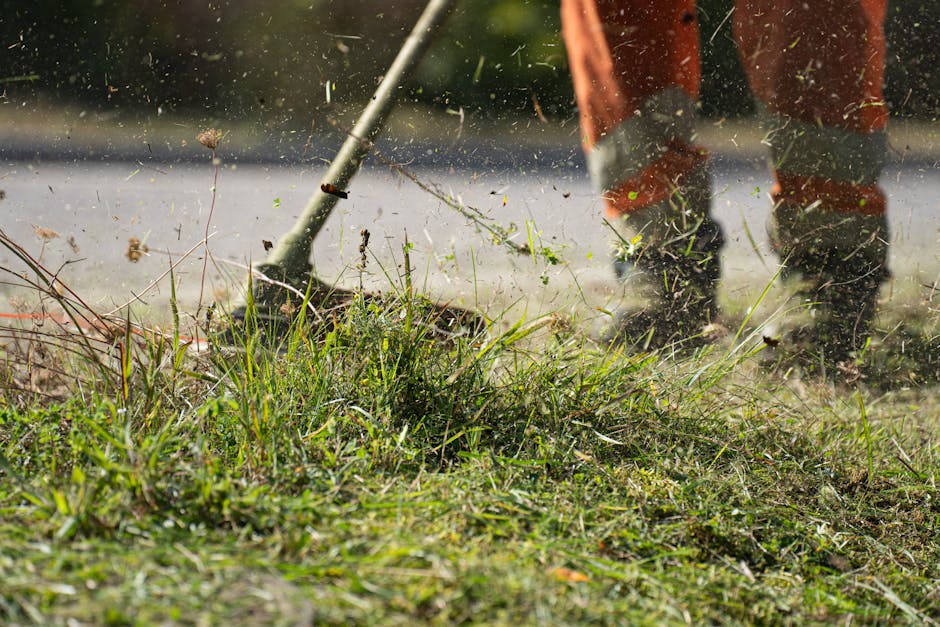
Lawn mowing in Acton should do more than shorten grass; it should leave the lawn neat, even and ready to use, with edges and access routes kept tidy at the same time. We focus on routine mowing as the core service, supporting homes and managed outdoor spaces with a straightforward approach that keeps growth under control through the season. If your lawn needs a one-off tidy or regular care, our service is built around sensible cutting, clean presentation and clear communication about the work involved.
The main aim is to keep turf manageable without overcutting it. That means setting the cut to suit the grass, the time of year and the condition of the lawn, rather than taking the same amount off every visit. Where useful, we can combine mowing with edging and other practical finishing work, so the lawn looks complete rather than only trimmed. For customers who want a simple way to request a quotation, the most helpful next step is to outline the lawn size, access and any extra work needed.
In practical terms, mowing service decisions often come down to the finish you want, how quickly the grass is growing and whether the lawn sits beside planted borders, paths or hardstanding. A neat result usually depends on careful handling around those boundaries, not just the central cut. Consistent maintenance can also help avoid the uneven, patchy look that follows missed cuts or occasional scalping. If you are planning work for a front garden, back garden or shared green space, our team can help you match the service to the condition of the lawn.
Regular lawn care options
For many customers, the most useful mowing arrangement is a regular visit that prevents grass from becoming too long between cuts. Regular lawn care is particularly helpful where the lawn is used often, because shorter, even growth is generally easier to keep in good order. This service can be adapted to the season, the lawn’s rate of growth and the overall condition of the garden, so the finish stays practical rather than overworked. It is often the best choice when you want the garden to remain presentable with minimal effort on your side.
Our mowing service can also sit alongside other routine maintenance tasks where that makes sense. If a lawn is bordered by hedges or affected by surrounding garden growth, the work can be planned so the whole space feels more ordered after one visit rather than half-finished. For fuller details of how the wider maintenance offer is structured, see our garden maintenance page, which covers the kind of ongoing care that can sit around mowing without turning it into a larger landscaping project.
What a mowing visit can include
A mowing appointment can involve more than a single pass across the grass. Depending on the lawn and the conditions, useful tasks may include trimming edges, clearing light cuttings where needed and shaping the presentation so the finish looks purposeful. In some cases, a slightly different cutting pattern helps avoid visible lines or repeated marks in the same direction. This kind of detail matters most where the garden has visible borders, small turns or limited space for manoeuvring. The aim is a neat finish that feels deliberate, not rushed.
Finishing touches that improve the result

Good lawn mowing is often decided by the finishing work around the main cut. Edges, corners and transitions beside paving can make the difference between a tidy lawn and one that still looks unfinished after the grass has been shortened. Where the grass has crept over paths or meets planted areas, a more careful finish can sharpen the appearance without changing the whole character of the garden. That is why many customers prefer a mowing service that pays attention to the final look as well as the central surface.
Depending on the state of the lawn, we may recommend combining mowing with other light tidying so the grass, margins and adjoining features all sit together properly. If the garden also needs hedge work to avoid overhang or shading, you can review our hedge trimming service as part of the wider plan. That approach can be useful where the lawn looks weak because the surrounding growth has become too heavy or untidy.
When people compare mowing options, they often find it helpful to think about the visible edges first. A well-kept border can improve the whole garden even if the lawn itself is simple, while a poor finish at the edge can undermine the rest of the job. Attention to detail at this stage is not decorative; it is part of making the service worthwhile. If your priority is a clean, balanced look, ask for the mowing to include the tidying that supports it.
Garden spaces that need a broader approach
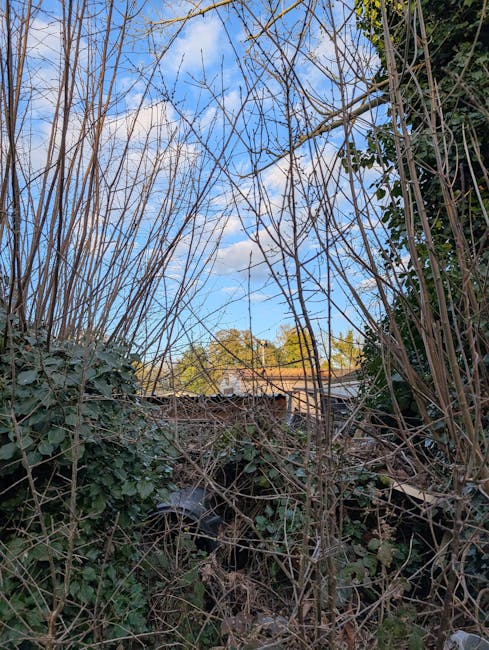
Some lawns sit within gardens that need more than mowing alone. If the space includes overgrowth, unwanted debris or mixed garden waste, the work may be better handled as part of a broader clear-up before routine cutting begins. That can be especially relevant where access is obstructed, where the grass has been left to grow unevenly, or where the surrounding area needs attention first. A simple mow can improve the appearance, but a more workable garden often starts with making the space easier to manage.
When a lawn is affected by tangled borders, fallen material or shrubs spreading into open areas, broader garden work can help restore a usable layout. Our garden clearance page explains the type of tidying that removes unwanted growth and debris, which can make mowing more practical afterward. For some properties, combining the two gives a cleaner and more coherent result than tackling the grass in isolation.
Useful points to consider before booking:
- how much of the lawn is currently accessible
- whether the cut needs to be regular or occasional
- if the edges need tidying as part of the finish
- whether surrounding growth should be dealt with first
- if there are slopes, obstacles or tight turns to work around
Pricing factors and quotation details

Pricing for lawn mowing usually depends on the size of the lawn, the condition of the grass and the level of finishing required. A compact, straightforward lawn can be simpler to maintain than a larger or more awkward space, while longer growth may require more time and different handling. If edging, cut removal or additional tidying is needed, that can also affect the scope. Rather than guessing, it is better to describe the garden clearly so the quotation matches the work as closely as possible.
The most efficient way to request a quotation is to share the basic layout of the lawn and mention anything that might affect access or finishing. You do not need to over-explain the garden; a simple, accurate description is usually enough to begin. If you want to compare regular mowing with one-off visits, or you are unsure whether a fuller maintenance visit is more suitable, we can discuss the practical differences and help you choose the better option for your lawn.
For customers who like to plan ahead, it can also help to think about whether the lawn will need recurring attention through the growing season or just a specific tidy-up before an event, sale or change in garden use. In both cases, the quotation process works best when it reflects the real condition of the space. That keeps expectations sensible and helps the service focus on the parts of the work that matter most.
Mowing as part of wider landscaping work
Although mowing is a practical standalone service, it also sits naturally within broader garden improvement work. A lawn may need more than a cut if the surrounding layout is being changed, borders are being reshaped or the outdoor space is being brought into a more ordered design. In those cases, mowing can be one stage in a longer sequence rather than the whole job. The value of the service is that it gives the lawn a clear, usable finish while other parts of the garden are being improved around it.
If your outdoor space is due for more substantial changes, our landscape gardening service covers garden work that goes beyond routine maintenance and into the shaping of the space itself. Where paving, planted features and open lawn areas all need to work together, a mowing plan can be coordinated with those wider aims. That does not mean every lawn needs redesigning; it simply means mowing can be part of a smarter overall plan when the garden is changing.
In a smaller or more settled garden, the best result may come from keeping the layout simple and focusing on a crisp finish to the grass. In a more developed setting, the lawn may need to be maintained so it complements the rest of the garden rather than competing with it. Good mowing supports the whole outdoor space by keeping the open areas clear and visually balanced.
Planning the work around access and layout
Lawn mowing is usually easiest when access is straightforward, but many gardens have narrow side paths, steps, gates or tight corners that need to be considered in advance. Those details affect how the cut is carried out and how much finishing work is needed afterward. A clear description of the garden layout helps the service match the right equipment and method to the space. That way, the mowing can be completed with fewer interruptions and a better final presentation.
For homes with mixed garden features, the order of work can matter as much as the mowing itself. If the lawn sits among decking, borders or hard surfaces, the finishing lines need to be handled carefully so the cut looks neat where different materials meet. If your garden also includes a structure that needs protecting or cleaning around, our decking services page sets out another part of the wider outdoor care offer. That can be useful where the lawn and seating area both need to feel part of the same space.
To keep the job clear from the outset, it helps to note whether the lawn has a simple rectangular shape or a more irregular outline, and whether there are areas that should be left untouched. A concise briefing is usually enough. You do not need a detailed plan; the purpose is simply to make the mowing practical and to reduce the chance of missed corners or avoidable delays.
About Acton

Acton is a district in West London with a long history and a varied built environment that reflects several periods of growth and change. Its name is ancient, appearing in early records as a settlement associated with farming and oak trees, and over time the area developed from a rural parish into a substantial urban community. Today Acton sits within the London Borough of Ealing and includes a mix of residential streets, local shops, transport routes and open spaces that give the district a character shaped by both older and newer layers of development. The area’s transport history has been especially important: rail and Underground connections have linked Acton with the wider capital for generations, and stations such as Acton Main Line and Acton Town are part of that story. Nearby green spaces, including Acton Park, provide a valuable contrast to the denser streets and commercial corridors. The district is also known for its wide architectural variety, from Victorian and Edwardian housing to later twentieth-century estates and newer infill building. That mixture creates an urban landscape that is not uniform but instead built from many phases of London’s expansion. Local life includes community facilities, schools, places of worship and small businesses, all contributing to the sense of Acton as a lived-in district rather than a single-purpose suburb. The name is shared by different parts of the wider area, so the district is often understood through its many neighbourhood streets and centres rather than by one defining landmark alone. This combination of transport links, housing types, parks and long-settled streets has helped Acton remain a recognisable part of west London’s geography and daily life.
Seasonal mowing and the condition of the grass

The best mowing schedule depends on how fast the grass is growing and how the lawn is used through the year. In active growing periods, waiting too long between cuts can leave the grass coarse or uneven, while cutting too short can stress the lawn and make it harder to recover. A sensible mowing approach takes the condition of the turf into account rather than following a fixed habit that ignores what the grass actually needs. That is one reason a measured, practical service is often preferable to a rushed one.
Where the lawn is healthy but slightly untidy, a careful cut and finish can restore a neat appearance without requiring more invasive work. Where the grass has become long, patchy or surrounded by encroaching growth, the mowing may need to be paired with light clearance or other maintenance so the result lasts. If your wider garden care also includes overgrown trees that are affecting light or access, our tree lopping and removal page explains another service that can sit alongside lawn work when the garden needs fuller attention.
When you are ready to move forward, the most useful step is to send a short description of the lawn and ask us to request a quotation for the mowing work you need. Keep it simple, include the main practical details and we can take it from there. Whether the job is routine or occasional, the aim is the same: a clean lawn finish that suits the garden and the way it is used.
Related outdoor services
Not every enquiry starts with mowing alone. Some customers need a service that sits around the lawn, such as tidying garden growth, improving the overall layout or handling longer-term upkeep in one plan. Where that is the case, it can be helpful to view the garden as a whole rather than treating the grass in isolation. That approach can reduce repeated work and make the result look more balanced, especially when the lawn is part of a larger outdoor space with several different features.
For customers comparing types of garden work, our landscaping page covers broader outdoor improvements, while services overview provides a concise summary of the main areas we support. If you are interested in how we structure quotations and what affects the final scope of work, the pricing and quotes page may also be useful. These pages can help you decide whether a simple mow or a wider combination of services is the better fit.
Where there is uncertainty about how much work is needed, a practical starting point is often to identify the lawn itself and then note any nearby issues that could influence the finish. That may include overhanging growth, accumulated cuttings, awkward access or a need for broader tidying. A clear brief supports a more accurate quotation and helps keep the work focused on the result you want. If you would like to begin, please request a quotation and tell us what the lawn needs.
Service information and customer enquiries
When you are considering lawn mowing, it helps to think in terms of outcome, frequency and practicality. A one-off cut may suit a garden that has been left a little too long, while recurring visits are often better where the grass grows quickly or the lawn is used regularly. The best service is the one that fits the lawn’s condition without adding unnecessary work. That is why we keep the focus on a clean finish, sensible scope and straightforward communication about what is involved.
Some enquiries are simple, but others involve more than one part of the garden. If you are not sure whether mowing alone is enough, it can be useful to mention any bordering hedges, debris or layout issues when you get in touch. For broader support, you may also wish to review about us and contact us, which can help you understand how to reach the right page for your enquiry. The goal is to make the first step quick, clear and appropriate to the work you need.
We know that many customers just want a tidy lawn without a lot of complication. If that is your position too, keep your enquiry short and factual: the size of the area, its current condition and any extras you want included. From there, we can shape the mowing around the reality of the garden. Request a quotation when you are ready, and we will help you move toward a clean, well-kept lawn.