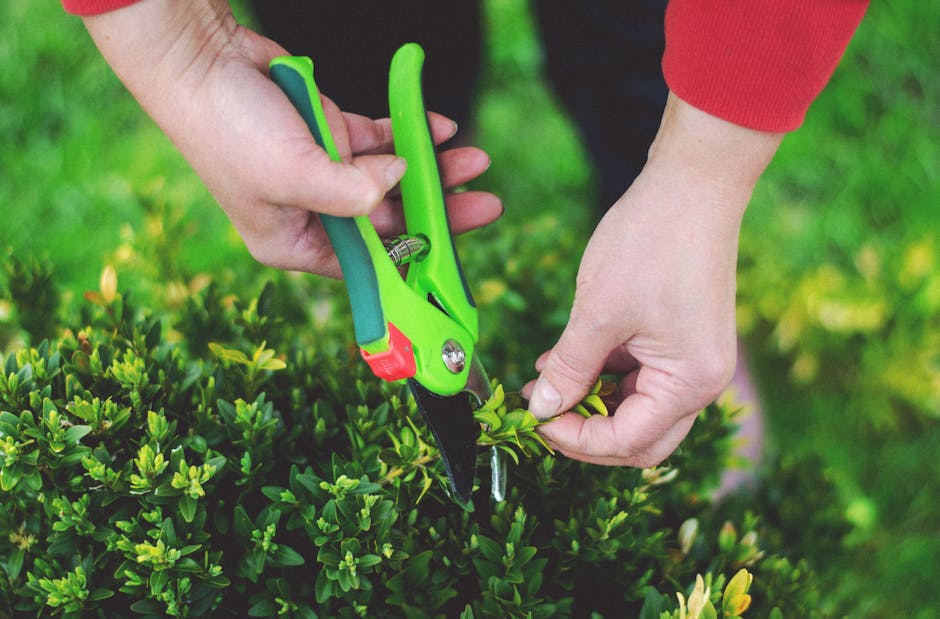
Top garden maintenance mistakes Acton landlords should avoid
If you rent out property in Acton, the garden can quietly make or break a tenancy. A tidy lawn, healthy hedge line, and safe paths create a good first impression; a neglected outdoor space does the opposite, fast. The trouble is, many landlords only notice the garden when something has already gone wrong. By then, it may be overgrown, patchy, slippery, or simply too expensive to put right in a hurry.
This guide walks through the top garden maintenance mistakes Acton landlords should avoid, why they matter, and what a sensible, low-stress approach looks like in real life. You will also find a practical checklist, a comparison table, and a few hands-on tips that help you keep the outside of the property in better shape without turning it into a second job. Truth be told, that is often the real goal.
For landlords who want a more structured approach, a scheduled garden maintenance service can save a lot of awkward surprises between tenancies.
Table of Contents
- Why these mistakes matter for Acton landlords
- How garden maintenance works in practice
- Key benefits and practical advantages
- Who this is for and when it makes sense
- Step-by-step guidance
- Expert tips for better results
- Common mistakes to avoid
- Tools, resources and recommendations
- Law, compliance, standards and best practice
- Options, methods and comparison table
- Case study or real-world example
- Practical checklist
- Conclusion
- Frequently asked questions
Why Top garden maintenance mistakes Acton landlords should avoid Matters
Garden maintenance sounds simple on paper. Cut the grass, trim the hedge, clear the leaves, keep paths safe. Easy enough. But in rental property, the garden is part of the overall standard you are offering, and small problems tend to snowball.
An untidy lawn can make a home feel poorly managed even if the inside is spotless. Overgrown planting can block light, crowd windows, or spill into shared access areas. Wet leaves can turn paving into a slip risk. And if a tenant has been expected to "keep an eye on it" without clear agreement, things can become messy in the administrative sense too.
Acton adds its own flavour to the issue. Urban gardens here are often compact, shaded, or shared, which means they can deteriorate quickly if no one has a clear routine. You may also see pressure from end-of-tenancy inspections, neighbour complaints, or simple wear from busy family use. Garden neglect has a habit of showing up at the worst possible moment.
Expert summary: For landlords, garden upkeep is not just about appearance. It is about reducing avoidable complaints, protecting access and safety, and preserving the property's appeal over time. A little routine maintenance is usually cheaper than a late scramble to fix everything after months of growth.
How Top garden maintenance mistakes Acton landlords should avoid Works
Good garden maintenance is really a system, not a one-off tidy-up. The process usually starts with a simple assessment: what needs cutting, what needs clearing, what might be unsafe, and what should be left alone. That last one matters more than people think. Some plants do badly if hacked back at the wrong time, and some garden features need a careful touch around decking, fences, or tree roots.
A practical routine normally includes lawn care, hedge trimming, basic weed control, leaf clearance, removal of dead growth, and occasional reshaping of borders or shrubs. In many rental properties, the key is consistency rather than dramatic transformation. A slightly imperfect but maintained garden is usually far better than a beautiful one that is ignored for six weeks and then rescued in a panic.
If the garden is badly overgrown, a one-off garden clearance may be the most sensible first step before ongoing maintenance begins. That is especially true after a void period, a long winter, or a tenancy where outdoor care simply did not happen.
In our experience, the quickest way to lose control is to assume the tenant will handle everything without clarity. Better to decide who is responsible for what, and keep that arrangement simple enough that everyone can actually follow it. Bit boring, yes. Also effective.
Key Benefits and Practical Advantages
When a landlord avoids the usual maintenance mistakes, the benefits show up in several places at once. It is not only about making the garden look nice in a listing photo, although that helps too.
- Better tenant appeal: A neat outdoor space makes a property feel cared for, which can support stronger interest.
- Lower repair costs: Regular trimming and clearing often prevent bigger issues such as damaged fences, blocked drains, or dead sections spreading.
- Safer access: Keeping paving clear of moss, leaves, and clutter reduces avoidable trip and slip hazards.
- Less end-of-tenancy conflict: Clear expectations and regular upkeep reduce arguments over what counts as "reasonable garden condition".
- Improved presentation between lets: If one tenant leaves and another is moving in quickly, you need the outside to be ready without drama.
There is also a quieter benefit: peace of mind. A landlord does not want to be thinking about an overgrown hedge every time it rains. You want the garden to be one less thing to worry about, not a recurring headache in the background.
Who This Is For and When It Makes Sense
This guidance is for landlords with one property or several, whether you manage the home yourself or through an agent. It is especially relevant if the property has a lawn, hedges, climbing plants, or a shared access route that needs regular attention.
It makes the most sense in a few common situations:
- you are preparing a property for new tenants
- the current tenancy agreement leaves garden care unclear
- the garden has become overgrown after winter or a void period
- tenants have asked what they are responsible for
- you want a simple, repeatable maintenance routine rather than reactive callouts
If you oversee more than one rental, it can also help to standardise your approach. That way, one property is not getting weekly attention while another quietly turns into a small jungle. We've all seen that happen. Usually by the back gate.
Step-by-Step Guidance
Here is a straightforward way to manage rental garden upkeep without making it complicated.
- Inspect the garden from a tenant's point of view. Walk the space as someone arriving with bags, children, or shopping. Look for broken paving, uneven edges, hidden bins, dead plants, and anything that feels awkward to use.
- Identify the essentials. For most rental homes, the essentials are lawn mowing, hedge trimming, weed control, leaf removal, and keeping paths or steps clear.
- Separate routine work from seasonal work. Weekly mowing is not the same as annual pruning. Do not lump everything together and hope for the best.
- Agree responsibilities in writing. Make sure the tenancy paperwork says who handles day-to-day garden care and who handles larger tasks or specialist work.
- Set a realistic schedule. A quick tidy every few weeks may be enough for some gardens, while others need more frequent attention during spring and summer.
- Book specialist help where needed. If hedges are tall, trees are encroaching, or the space has become unmanaged, use the right service instead of bodging it.
- Review after each tenancy change. Even a good tenant may leave the garden in a different state than you expect. Inspect, reset, and document the condition.
When hedge lines are getting away from you, a dedicated hedge trimming service is often quicker and cleaner than trying to do it half-heartedly over a weekend.
And if the property has larger trees that are shading the garden or creating safety concerns, a specialist tree lopping and removal service may be worth considering rather than leaving it until branches become a problem.
Expert Tips for Better Results
A few practical habits make a big difference. They are not glamorous, but they work.
- Keep the maintenance rhythm short and predictable. Gardens rarely benefit from heroic effort once every few months.
- Use photos after each visit. This helps with records, tenant communication, and end-of-tenancy comparisons.
- Do not overcut the lawn in dry weather. Short lawns can scorch more easily. A slightly higher cut is often healthier.
- Check drainage and hard surfaces at the same time. A garden is not only plants; it is also edges, routes, and water movement.
- Choose the right season for heavier work. Some pruning is best done carefully and at the right time rather than simply when you remember it.
- Leave some flexibility for weather. A damp Monday morning in Acton can change a tidy-up plan very quickly.
A small but useful habit: after rain, walk the garden once more. You will notice puddles, slippery spots, and branches that seemed harmless in dry weather. It takes five minutes and can save quite a bit later.
Common Mistakes to Avoid
Here is the heart of it. These are the mistakes landlords keep making, often because they seem harmless at first.
| Mistake | Why it causes problems | Better approach |
|---|---|---|
| Leaving garden care vague | Tenants and landlords may assume different responsibilities, which leads to disputes | Spell out routine and seasonal duties clearly in the tenancy paperwork |
| Ignoring the garden during void periods | Weeds, grass, and hedges can get away quickly and become costly to restore | Schedule checks between tenancies, not just after complaints |
| Cutting everything at once | Heavy-handed work can damage plants, fences, or lawn health | Break tasks into mowing, trimming, clearing, and pruning |
| Using the wrong tools | Poor tools create uneven results and can waste time or cause injury | Use the correct tool or bring in a specialist |
| Forgetting safety hazards | Leaves, moss, uneven paving, and low branches can create avoidable risks | Inspect paths, steps, access areas, and borders regularly |
| Letting weeds dominate hard surfaces | Weeds look untidy and often take more work to remove later | Remove growth early and keep on top of it through the season |
| Assuming "tidy" is enough | A garden can look neat from a distance but still hide problems | Check fencing, drainage, tree growth, and access routes too |
A very common one? Booking a quick mow and assuming that solves everything. It rarely does. A lawn may look fine for a week, then the edges, hedge, and borders tell the real story. Gardens are a bit like that. Noisy when ignored.
Tools, Resources and Recommendations
You do not need a shed full of equipment to manage a rental garden well. In many cases, the smarter move is to keep a small, reliable set of tools for light upkeep and then outsource the more demanding jobs.
Useful basics include:
- lawn mower for regular cutting
- hedge trimmer for basic shaping
- loppers or secateurs for light pruning
- garden gloves and eye protection
- rake and leaf bags for seasonal clearance
- weed scraper or hand weeder for hard surfaces
If the garden needs a broader reset, a well-planned lawn mowing service can be paired with border tidying and light clearance so the property looks looked-after rather than half-finished.
For larger gardens, overgrown plots, or end-of-tenancy clean-ups, it may make sense to combine maintenance with services overview planning so you can see the full range of options before committing to one-off jobs.
And if sustainability matters to you, it is worth asking how clippings, branches, and green waste are handled. A sensible contractor should be able to explain their recycling and sustainability approach in plain English.
Law, Compliance, Standards and Best Practice
Landlords should be careful here. Garden maintenance is not just a cosmetic issue, because neglected outdoor space can overlap with safety, tenancy, and property management expectations. The exact legal position depends on the tenancy agreement and the circumstances, so it is wise to keep your wording clear and your records tidy.
A few sensible best-practice points:
- Use clear tenancy wording: State who is responsible for mowing, weeding, trimming, and seasonal upkeep.
- Do not create unsafe access: Overgrowth, broken paving, and slippery surfaces can become a practical hazard.
- Keep evidence of maintenance: Notes and photos help if there is a later disagreement about condition.
- Work safely around trees and tall hedges: If something is too high, too heavy, or too close to structures, it is usually not a DIY job.
- Use insured contractors where appropriate: This is especially sensible for higher-risk work or shared-access properties.
You may also want to align your own procedures with basic health and safety thinking: protect access, avoid trip hazards, and do not leave loose waste where tenants or visitors need to pass. For landlords who use outside help, checking health and safety policy information and insurance and safety details is a sensible due-diligence step, not overkill.
If payment processes matter to your business, it is also worth understanding the provider's payment and security approach before you commit. Boring? Perhaps. Useful? Absolutely.
Options, Methods and Comparison Table
Landlords usually end up choosing between doing everything themselves, handling the basics in-house and outsourcing the rest, or handing the lot to a professional service. There is no single right answer, but there is usually a better fit depending on the property.
| Approach | Best for | Strengths | Weaknesses |
|---|---|---|---|
| DIY only | Small, easy-to-manage gardens | Low direct spend, full control | Time-consuming, easy to overlook seasonal work |
| Hybrid approach | Most landlords with a few properties | Practical balance of cost and reliability | Needs clear responsibility boundaries |
| Professional maintenance | Busy landlords, larger gardens, void periods, or overgrown plots | Consistent results, less stress, better presentation | Ongoing cost, needs a trusted provider |
For many Acton landlords, the hybrid model is the sweet spot. Keep on top of light checks yourself, then use professional help for mowing, trimming, clearance, and more complex jobs. A tidy garden, after all, is often about rhythm rather than brute force.
Case Study or Real-World Example
Consider a typical Acton terrace with a small rear garden. The landlord had assumed the tenant would "look after the outside," but the agreement was never fully spelled out. By late summer, the lawn had gone uneven, weeds had pushed through the patio joints, and the hedge had grown into a shape best described as enthusiastic.
Nothing was catastrophically wrong. That is the tricky part. It just looked neglected. When the tenant moved out, the property needed a full reset: mowing, border clearing, hedge trimming, and a proper check of the paving edges. What would have been a modest monthly routine turned into a more expensive one-off tidy-up.
The fix was fairly simple in hindsight. The landlord updated the tenancy wording, booked regular maintenance during the growing season, and arranged a quick inspection after each void period. The garden never became perfect, because real gardens rarely do, but it stayed presentable and far easier to manage. That is usually enough.
If the garden had been left longer, the job could easily have slipped into full garden clearance territory. No one wants that if it can be avoided.
Practical Checklist
Use this checklist before, during, or after a tenancy change.
- Confirm who is responsible for routine garden care.
- Check whether mowing, trimming, and weeding are clearly written into the agreement.
- Inspect the lawn for bare patches, moss, or uneven growth.
- Look at hedges, shrubs, and tree branches for encroachment.
- Clear leaves, cuttings, and loose debris from paths and steps.
- Check gates, fences, and borders for damage or instability.
- Make sure access routes are safe and easy to use.
- Take photos before and after maintenance.
- Reset the garden after winter or a long void period.
- Book specialist help for high, heavy, or risky work.
That is the kind of list that saves you time later. A garden inspection does not need to be fancy. Just thorough. And honest.
Conclusion
The biggest lesson for landlords is simple: don't wait until the garden has become a problem. The most expensive mistakes usually start with delay, vague responsibility, or treating outdoor space as an optional extra. In Acton, where many rental gardens need regular but manageable attention, a steady routine is usually the smartest and calmest option.
Keep the lawn trimmed, the hedges under control, the paths clear, and the expectations written down. Small steps, repeated consistently, do more than one heroic tidy-up ever will. That is the real secret, if there is one.
Get a free quote today and see how much you can save.
When the garden feels under control, the whole property feels easier to manage. That is a good place to be.
Frequently Asked Questions
What are the most common garden maintenance mistakes landlords make?
The most common mistakes are unclear tenant responsibilities, irregular mowing, ignoring overgrowth during void periods, and forgetting to check safety issues such as slippery paths or low branches.
Should landlords include garden maintenance in the tenancy agreement?
Yes, it is usually sensible to set out who handles routine tasks like mowing, weeding, and trimming. Clear wording helps prevent arguments later.
How often should a rental garden be maintained?
It depends on the size and style of the garden, but many properties benefit from regular checks during the growing season and a fuller review between tenancies.
Is it enough to just mow the lawn?
Usually not. A lawn can look fine while hedges, borders, paths, and trees are becoming problematic. A complete garden care plan is better.
What should landlords do before new tenants move in?
Inspect the whole garden, clear debris, cut back growth, check for damage, and make sure the outdoor space is safe and presentable.
When does a garden need clearance rather than routine maintenance?
If grass, weeds, shrubs, or debris have been left for too long and normal upkeep would take too much time, a clearance service is often the better starting point.
Can tenants be expected to look after the garden themselves?
Sometimes yes, but only if the agreement says so clearly and the tasks are realistic. A small amount of light upkeep is very different from heavy seasonal work.
What garden issues can become a safety concern?
Trip hazards, slippery paving, broken steps, overhanging branches, and cluttered access routes are the main ones to watch for.
Do landlords need to keep records of garden maintenance?
It is a good practice. Photos, notes, and service dates can help if there is ever a dispute about the condition of the property.
What is the best approach for a busy landlord with several properties?
A hybrid approach often works best: handle light checks and paperwork yourself, then use professional help for mowing, trimming, and larger seasonal jobs.
How can I keep garden maintenance costs under control?
Preventative care is usually cheaper than emergency clean-ups. Regular attention, clear expectations, and occasional professional support are the most cost-efficient combination.
Where can I find more information about the company's values and service standards?
You can review the company's about us page and related service information to understand how it works and what standards it follows.